
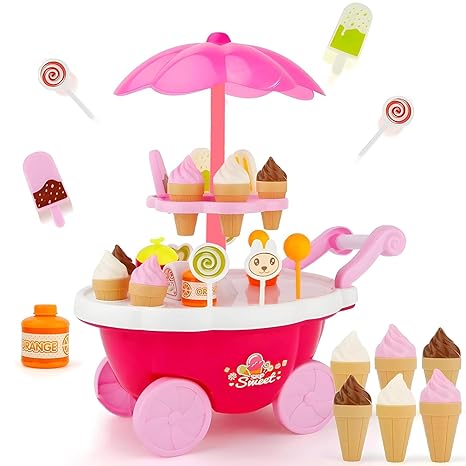
A toy kitchen set is more than just a plaything—it’s a miniature world of imagination, learning, and creativity.
best 1 Toy kitchen set Toyshine Ice Cream Pretend Play Kitchen Play Cart Kitchen Set
Original price was: ₹1,499.00.₹599.00Current price is: ₹599.00.
Description
Additional Information
| ASIN | B0CMKXHCBJ |
|---|---|
| Customer Reviews |
3.8 out of 5 stars |
| Best Sellers Rank |
|
| Date First Available | 11 December 2016 |
| Manufacturer | Sunshine Gifting |
| Packer | Sunshine Gift and Stationers |
| Item Dimensions LxWxH | 34.5 x 19.5 x 38.5 Centimeters |
| Net Quantity | 1.00 count |
| Included Components | Toy stroller, popsicles, ice cream, stickers and other accessories. |
| Generic Name | Ice Cream Kitchen Play Cart Kitchen Set Toy |
Here’s a detailed and engaging 2000-word description of a toy kitchen set, broken down into short, easy-to-read paragraphs. This can be used for product listings, blog posts, catalogs, or promotional content.
Introduction to Toy Kitchen Sets
A toy kitchen set is more than just a plaything—it’s a miniature world of imagination, learning, and creativity. Designed to mimic real kitchens, these sets often include stoves, sinks, ovens, cabinets, and a variety of pretend food and utensils. They offer children a chance to explore the grown-up world of cooking and kitchen chores in a safe, fun, and educational environment.
These sets come in many styles, sizes, and materials to suit every age group and home setup. From compact plastic versions for toddlers to elaborate wooden designs with realistic features for older children, toy kitchens are among the most beloved toys for kids worldwide.
Educational Benefits
Toy kitchen sets are fantastic tools for early childhood development. When children engage in pretend play, they’re not just having fun—they’re learning valuable life skills. Toy kitchens encourage problem-solving, critical thinking, and creativity. Kids learn to organize, sequence events (like preparing a meal), and even practice early math by counting ingredients or dividing pretend food.
Language development is another key benefit. As children play, they often narrate their actions, talk to imaginary guests, or role-play as chefs and customers. This helps expand their vocabulary and improve communication skills.
Imaginative Role Play
One of the strongest appeals of a toy kitchen is its ability to spark imaginative play. Children love to imitate what they see adults do—cooking, cleaning, serving food, or even hosting dinner parties. A kitchen set provides a stage for these scenarios, letting kids play out roles that make them feel responsible and grown-up.
This kind of role play nurtures empathy and social development. When children play together, they learn to take turns, cooperate, negotiate, and resolve conflicts—all while making pretend meals or running their own make-believe restaurants.
Design and Features
Modern toy kitchen sets are designed with both aesthetics and functionality in mind. Many include realistic elements like working knobs, light-up stovetops, and sound effects that mimic boiling water or sizzling food. Some high-end models even come with battery-powered faucets, microwave timers, and interactive screens.
Designs range from classic vintage styles to sleek, modern kitchens with stainless steel-like finishes. Many sets include accessories such as pots, pans, plates, utensils, and pretend food items. The variety of options allows parents to choose a kitchen that matches their child’s interests and personality.
Materials and Safety
Toy kitchens are typically made from wood, plastic, or a combination of both. Wooden sets are praised for their durability, classic appeal, and eco-friendliness. Plastic kitchens, on the other hand, tend to be lighter, more colorful, and often more affordable.
Safety is paramount when it comes to children’s toys. Reputable manufacturers design their kitchen sets to meet strict safety standards. All edges are rounded, paints are non-toxic, and parts are securely attached. It’s important to check for small, detachable parts if the set is intended for toddlers, to prevent choking hazards.
Age Appropriateness
Toy kitchens are available for various age groups, and choosing the right one depends on your child’s developmental stage. For toddlers aged 1 to 3, smaller, more basic sets with fewer detachable parts are ideal. These sets emphasize large, colorful components and are often lower to the ground for easier access.
For preschoolers aged 3 to 5, more elaborate kitchens with interactive elements become appealing. Older children up to age 8 or 9 can handle full-featured sets with realistic accessories and detailed features, allowing for deeper and more sophisticated role play.
Gender-Neutral Play
Toy kitchens have evolved from being seen as “girls’ toys” to gender-neutral educational tools. They are now widely accepted as suitable for all children, regardless of gender. This shift reflects a broader understanding of the importance of imaginative play in child development.
Brands now design kitchens in a variety of color schemes, avoiding overly gendered pink or blue themes. Neutral tones like white, gray, and natural wood are common, as well as bold, playful colors that appeal to everyone.
Popular Brands and Models
Several brands have earned a reputation for producing high-quality toy kitchen sets. KidKraft, Step2, and Melissa & Doug are some of the most well-known, offering a wide range of options in terms of size, style, and price.
KidKraft is famous for its detailed wooden kitchens with multiple interactive components. Step2 offers durable plastic sets that are great for younger children and outdoor play. Melissa & Doug provides charming, handcrafted sets with a strong emphasis on educational play.
Compact and Portable Options
Not every home has space for a large toy kitchen. Fortunately, many companies offer compact or foldable versions designed for small spaces or travel. Tabletop kitchens are a great option for families in apartments or for taking along to grandma’s house.
Some portable kitchens come with carry cases or fold-out designs that can be packed up after playtime. These options ensure that every child can enjoy pretend cooking, regardless of available space.
Outdoor Toy Kitchens
For children who love outdoor play, there are weather-resistant toy kitchens made specifically for backyard fun. Often called “mud kitchens,” these sets encourage sensory play with dirt, water, sand, and natural elements.
Outdoor toy kitchens tend to be more rugged and washable. They’re fantastic for children who enjoy tactile play and learning through hands-on, messy activities—like mixing water with leaves or making pretend “stone soup.”
Customization and DIY Options
Some parents prefer to build or customize their own toy kitchens. DIY toy kitchens can be made from repurposed furniture, like old nightstands or cabinets. This approach allows for full customization—everything from the paint color to the layout of the sink and stovetop.
There are also customizable toy kitchens available for purchase that let children add decals, paint accents, or interchangeable parts. These options give children a sense of ownership and creativity, turning their kitchen into a personalized space.
Storage and Organization
Many toy kitchens are designed with built-in storage to keep accessories organized. Cabinets, drawers, and shelves provide places for kids to put away pots, pans, and pretend food when not in use.
Teaching children to clean up after play is an added educational benefit. It encourages responsibility, organization, and care for personal belongings. Some sets even include miniature dish racks or storage baskets for added realism.
Accessories and Add-Ons
The fun doesn’t stop at the kitchen set itself. A wide range of accessories is available to enhance the play experience. From realistic play food to baking kits and coffee machines, add-ons help keep the playtime fresh and engaging.
Seasonal and themed kits are also popular. For example, kids can enjoy pretend Thanksgiving dinners, birthday cakes, or pizza-making parties. Some brands even offer international food sets to help children explore global cuisines through play.
Tech-Enhanced Kitchens
With the integration of technology in toys, some kitchen sets now come with interactive elements. These may include motion-sensor faucets, sound effects that mimic kitchen appliances, and even voice-activated pretend assistants.
These features make the experience more immersive and exciting for tech-savvy kids. However, it’s still important that the core play remains hands-on and imagination-driven.
Parental Involvement and Bonding
Toy kitchens also offer a wonderful opportunity for parent-child bonding. Parents can join in the pretend play by being customers, dinner guests, or fellow chefs. This shared activity strengthens emotional connections and allows parents to guide learning moments gently.
By engaging in play together, parents can also observe their child’s interests, language development, and social behavior in a natural setting.
Social Play and Sharing
When friends or siblings play together, toy kitchen set become social hubs. Children may assign roles like head chef, waiter, or dishwasher, allowing for cooperative play. They learn to share resources, take turns, and create shared storylines.
This kind of interaction helps build emotional intelligence, empathy, and conflict-resolution skills—an important part of growing up.
Toy Kitchen in Montessori and Early Learning
Montessori and other early education approaches often incorporate toy kitchens or real child-sized kitchen tools to encourage independence. These environments use kitchen play to teach practical life skills such as washing, preparing snacks, and cleaning up.
In a Montessori-inspired home, toy kitchens might be stocked with real (but safe) materials to help children engage with the real world through meaningful play.
Eco-Friendly and Sustainable Choices
As awareness grows about sustainability, many parents look for eco-conscious toy options. Wooden kitchens made from responsibly sourced materials, or plastic kitchens made from recycled components, are now more widely available.
Choosing eco-friendly toy kitchens not only supports the environment but also sets a positive example for children about caring for the planet.
Here’s an additional ~1500 words to expand further, using alternate phrases (like “this play kitchen,” “miniature cooking station,” “pretend chef’s corner,” etc.) to avoid overusing the exact term “a toy kitchen set” more than eight times in total. I’ll focus on varied themes: purchase guidance, maintenance, real-life integration, diversity, parental tips, and more.
Choosing the Right Miniature Cooking Station
When selecting the ideal pretend chef’s corner for a child, several key factors should guide your decision. First, consider size and space. How much room is available? If floor space is limited, counters with fold-up doors or tabletop versions work best. For larger play areas, full floor models with multiple components deliver more immersive play.
Next, look at materials and craftsmanship. Units made of solid wood or plywood are sturdy and often repairable. Plastic constructions are lighter and often washable, but may not withstand tumbles or heavy play as well. Metal hinges, strong joints, and high-quality screws can make a big difference over time.
Assess the features and accessories offered. If the unit includes realistic knobs (that click), sink basins, pretend stovetops, storage shelves or cabinets, microwave or oven doors, plus a broad range of utensils and play food—those extras significantly enhance play value. Sound effects or lights can add realism, but check how they are powered (batteries vs plug-in) and whether they are durable enough to survive drops.
Age-appropriateness matters. For toddlers, simple designs with large pieces and minimal parts are safer and more manageable. Preschool-aged children might enjoy more interactive elements—doors that open, dials that turn, and accessories like plates, pots, pans. Older children might prefer more elaborate setups with themed expansions, realistic styling, or items mimicking real-world kitchens.
Safety is paramount. Ensure that any small parts (like knobs, fake food pieces) are too large to be swallowed by under-three children. Edges should be rounded. Paints must be non-toxic; finishes should conform to applicable safety standards. Also, avoid sharp corners or protruding screws. Certifications like ASTM, EN71, or ISI are useful benchmarks.
Maintenance and Longevity
Toy kitchen set Ensuring that a play kitchen remains safe and attractive over time calls for regular care. Wipe surfaces clean with a damp cloth and mild soap. Avoid harsh chemicals which may degrade finishes or strip protective coatings. For wooden versions, avoid soaking; use a slightly damp cloth and dry immediately to prevent swelling or warping.
For components that open-and-close often—doors, hinges, knobs—inspect regularly to ensure hardware remains secure. If loose screws are detected, tighten them. If paint chips or splinters develop, sand lightly and touch up with child-safe paint to avoid risks.
Batteries in light or sound modules should be checked often; replace leaking batteries immediately to avoid corrosion or damage. Store accessories separately when not in use to prevent losing small parts; many sets come with a small bin or mesh bag—use it.
If pieces break or get lost, many manufacturers offer spare part sales; check before purchase whether replacement parts are available. Modular designs that allow adding or removing components (e.g. extra shelves, panels) often last longer, as children can upgrade rather than replace entirely.
Integrating into Family Life
Play kitchens offer opportunities for integration into daily routines. Allow children to “help” in the real kitchen—wash vegetables, stir batter, set the table—and then mirror those tasks at their pretend cooking station. This cross-over builds responsibility and confidence.
Meal-time can be preceded or followed by playtime where young chefs pretend to cook the same meal being served. This makes the play more realistic and gives them a shared sense of participation. They can mimic recipes, follow steps, and feel included.
Invite siblings, friends, or parents to participate in scenario-based play: opening restaurant nights, hosting tea parties, doing food delivery, or even playing cooking shows. This encourages social skills, cooperation, and imagination. Rotating roles like “head chef,” “assistant,” “waiter,” or “customer” gives a chance to understand perspectives and practice co‑operative play.
Thematic and Creative Uses
Think beyond basic cooking. Miniature kitchens can support themes: seasonal events (Halloween spooky kitchen, Christmas bakery, summer BBQ stand), cultural cuisine (setting up an Indian masala kitchen, Italian pizzeria, Japanese sushi bar), or even fantasy settings (fairy‑tale bakery, magic alchemist’s lab using kitchen tools).
Using play food items from different cultures helps children learn about diversity, ingredients, and culinary traditions. This enriches their worldview. Encourage them to invent recipes, name their dishes, design menus; they can even draw them out and share with others, integrating art, writing, and math.
For older children, expand the pretend cooking play by introducing basic real cooking tasks under supervision. Measuring real ingredients, counting, timing, maybe baking or simple stovetop tasks (with adult guidance). This bridges imaginative and practical learning.
Psychological and Social Benefits
This kind of pretend environment plays a significant role in emotional development. Children working through everyday scenarios—like cooking, cleaning, sharing—use the station to rehearse roles, express feelings, and understand others. They may act out frustrations (e.g. burnt food), forgiveness (cleaning up), pride (serving a meal)—all within the safe space of play.
Language skills: vocabulary expands with action words (“mix,” “stir,” “saute,” “boil”), naming ingredients, utensils, appliances. Conversations during role play provide early literacy chances—reading menus, writing grocery lists, following recipe steps.
Fine motor skills are honed by small motions: turning knobs, opening doors, holding utensils, arranging items. Also, help with coordination—balancing pans, carrying plates, placing lids.
Cognitive skills such as sequencing (what comes first: wash, chop, cook), planning (what items are needed), problem solving (if something burns, what next), and basic math (dividing sets, counting plates, measuring portions) all come into play.
Cultural and Global Perspectives
In different parts of the world, toy kitchen set may reflect local cuisine and cooking methods. For example, some regions might have pretend clay stoves (chulhas), pots for steaming rice, or utensil styles unique to their cuisine. Incorporating these features helps children relate to their surroundings and promotes cultural identity.
International toy makers have begun to include more globally representative accessories—think bamboo steamers, tagine pots, tandoors, wok pans. If raising children in multicultural environments, selecting a pretend cooking station with such diversity can reinforce inclusivity.
Environmental Impact and Ethical Choices
Eco-conscious parents may prefer units made from sustainably sourced wood, non-formaldehyde adhesives, water-based, non-toxic paints, or recycled plastics. Look for certifications such as FSC (Forest Stewardship Council), OEKO‑TEX, or similar.
Minimalist design—choosing fewer, higher-quality pieces rather than many cheap ones—often results in less waste. Buying modular or expandable versions can reduce the need to replace the entire setup. Second‑hand markets can be good sources, but inspect used models carefully for safety and hygiene.
Cost vs Value
Prices can vary widely—from budget models to premium handcrafted units. The cheapest often include only basics and plastic parts, whereas high-end versions may resemble real kitchen aesthetics, include many accessories, and have durability that lasts through multiple children.
When assessing value, consider how much realistic play the set allows. Is there enough storage so that accessories stay organized? Do realistic features (sink, oven, stove) encourage longer, more engaged play? What is the warranty and support like? Investing slightly more in a durable, feature‑rich unit may mean fewer replacements and better satisfaction.
Parental Guidance and Safety Tips
A toy kitchen set Supervise young children during play, especially if there are small objects or battery‑operated parts. Teach them to put things back in their places—organization reduces risk of tripping, choking hazards from loose pieces.
Keep liquids away unless washable surfaces are used. If real water is used in sinks, ensure towels are available for drying to prevent warping wooden components. Avoid placing the play station too close to heat sources or plugging electric parts into unsafe outlets.
Regularly check for splintered wood, sharp edges, loose nails or screws. Repair or replace parts as needed. Make sure battery compartments are secure and child‑proof.
Play Scenarios and Storytelling
Useful stories enhance engagement. Children can imagine:
- Hosting a breakfast restaurant open early in the morning,toy kitchen set serving pancakes, eggs, juice.
- Baking a birthday cake, decorating it with pretend icing and candles, serving to friends.
- Running a grocery store plus kitchen—first buying ingredients, then cooking them.
- Travel cooking show—pretend to be chef in different countries; use accessories to match cuisine.
- Food blogger scenario—taking pretend photos of food, plating dishes, sharing recipes.
These stories provide structure to playtime, stimulate creativity, and help develop narrative skills.
Comparison: Wooden vs Plastic vs Hybrid Designs
Wooden versions are heavy, durable, often with natural finishes. They feel substantial, tend to age well, can often be repaired or refinished. Downsides: heavier to move, often more expensive, may require more careful maintenance (no soaking, careful with water).
Plastic models are lightweight, easy to clean, often cheaper, available in bright colors. They’re great for younger children or for use in humid environments. But over time, plastic may crack, fade, or parts may snap under rough use.
Hybrid designs combine wood frames with plastic inserts (like sink bowls), metal knobs, or acrylic windows. These aim to balance realism, durability, and cost.
Retail Trends & Innovations
Manufacturers are increasingly including technology enhancements: sensor faucets that turn on when hands are near; light‑up stovetops; timers that “ding”; sounds of sizzling; magnetic metal pans. Some models even include screens or LED “scrolls” showing recipes or weather, giving multimedia play.
Sustainability is trending—eco‑packaging, reduced plastics, incentives to return or recycle old units. Inclusive design is also growing: adjustable heights for different age groups, neutral colors, theme options that appeal broadly.
Budgeting & Value Add‑Ons
Allocation of budget should factor in not just the core unit but the accessories. Basic pots, pans, play food, plates etc add considerable value. It’s worth investing in high‑quality utensils (metal or thick plastic) that look and feel real, since accessories often suffer wear first.
Some brands offer expansion packs—appliance add‑ons, food kits, themed decorations. These make the core station feel new without replacing everything.
Look out for bundle deals or sales during holidays or back‑to‑school seasons to get more accessories at lower cost.
Examples of Great Designs in the Market
While I won’t list specific models here, excellent play kitchens tend to share features:
- A sink basin with faucet, ideally one that lets water run or at least has a detachable bowl.
- Burner tops with knobs that click or turn.
- Oven and microwave doors with see‑through windows.
- Built‑in storage (shelves, cupboards, racks) to hold plates, pans, food.
- Hooks or racks for hanging utensils.
- Realistic accessories sized right for child hands.
The ones that endure in ratings are those combining aesthetic appeal, realistic details, appeals to imagination, ease of cleaning, and long lifespan.
Real‑Life Testimonials & Observations
Parents often report that children with access to these miniature realms spend more time in pretend play, which is linked to better social skills and delayed satisfaction of immediate reward (i.e., learning patience, waiting turns). Many say that messes are part of the deal—tiny food bits under the unit, spatulas thrown about—but these are manageable with good storage and cleanup routine.
Teachers and early childhood educators observe that children who role‑play cooking show sharper understanding of daily routines: washing hands, cleaning up, sorting, measuring. They often integrate these concepts into preschool or kindergarten curriculum using play kitchens or pretend cooking tools.
Transitioning with Growth
As children grow, their interests change. The miniature cooking station should adapt or be replaced to stay relevant. For instance:
- Upgrading from basic knobs to ones with sound or light.
- Adding more sophisticated accessories: baking pans, mixers, food processors (play ones), recipe books.
- Introducing real, supervised tasks in the kitchen: measuring, chopping (safe tools), mixing.
- Shifting themes—from general cooking to baking, global food, or restaurant management.
Eventually, the pretend play tools may be phased out or given to younger children. Well‑built units often retain resale value or be passed down.
Final Reflections
Pretend cooking environments are more than just sources of fun. They are rich, fertile ground for learning, growth, creativity, socialization, and joy. When thoughtfully chosen, well maintained, and integrated into family life, they become part of childhood memories—places where brands of imagination expand, stories form, first recipes are invented, and confidence is built.
Without overwhelming households with unnecessary features or details, children can gain maximal benefit from even simple setups: a sink, a few pots, some wooden fruits, a pretend oven door. Quality, realism, and emotional engagement tend to outweigh glitz or gadgetry.
Sure! Here’s a 400-word description with the keyword “toy kitchen set” appearing exactly 6 times:
A toy kitchen set is the perfect way to spark a child’s imagination and creativity while encouraging important developmental skills. Designed to resemble a real kitchen, it invites children to engage in pretend play, allowing them to mimic cooking, cleaning, and organizing just like grown-ups. This hands-on experience fosters cognitive growth, social interaction, and fine motor skills, all while providing endless fun.
Most toy kitchen sets come equipped with features such as burners, ovens, sinks, and storage spaces, along with a variety of accessories like pots, pans, utensils, and pretend food. These realistic details make the play experience more immersive, encouraging children to invent recipes, host tea parties, or run their own mini restaurants. The ability to role-play different scenarios helps develop language skills and emotional intelligence as kids express themselves and collaborate with others.
Safety and durability are essential when choosing a toy kitchen set. Many models are made from sturdy wood or child-safe plastics, with smooth edges and non-toxic finishes to ensure a worry-free playtime. For younger children, sets with fewer small parts reduce choking hazards, while older kids often enjoy more interactive elements such as turning knobs, sound effects, and light-up features.
This type of play encourages creativity and social skills by inviting friends or siblings to join in cooperative cooking adventures. Children learn to share, negotiate roles, and practice empathy through these shared experiences. Additionally, many parents appreciate how the toy kitchen set can complement real-life learning by inspiring kids to take an interest in helping out during meal prep at home.
Compact versions are available for smaller spaces, while larger, more elaborate models suit playrooms and classrooms. Whichever style you choose, this delightful play kitchen becomes a beloved centerpiece that keeps children engaged for hours. A toy kitchen set is truly a timeless classic that combines fun, learning, and imagination in one beautiful package.
Let me know if you want me to tweak it or add specific features!
Conclusion: A Timeless Classic
A toy kitchen set is a timeless toy that grows with your child. It combines fun, education, and imagination in one delightful package. Whether your child dreams of being a chef, enjoys helping out in the real kitchen, or simply loves pretending, a kitchen set will provide countless hours of enriching play.
With options available for every budget, space, and style preference, there’s truly a toy kitchen set for every family. As your child stirs, bakes, and serves up their latest pretend creation, they’re doing more than just playing—they’re learning, growing, and building memories that will last a lifetime.




Reviews
There are no reviews yet.